
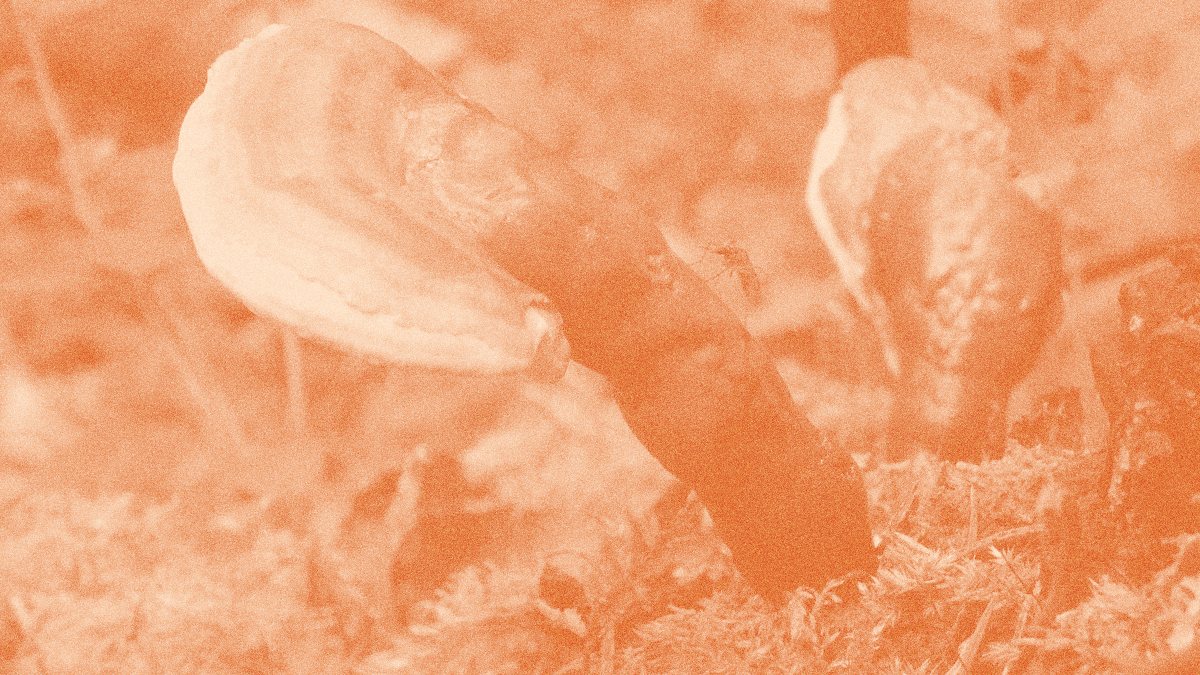
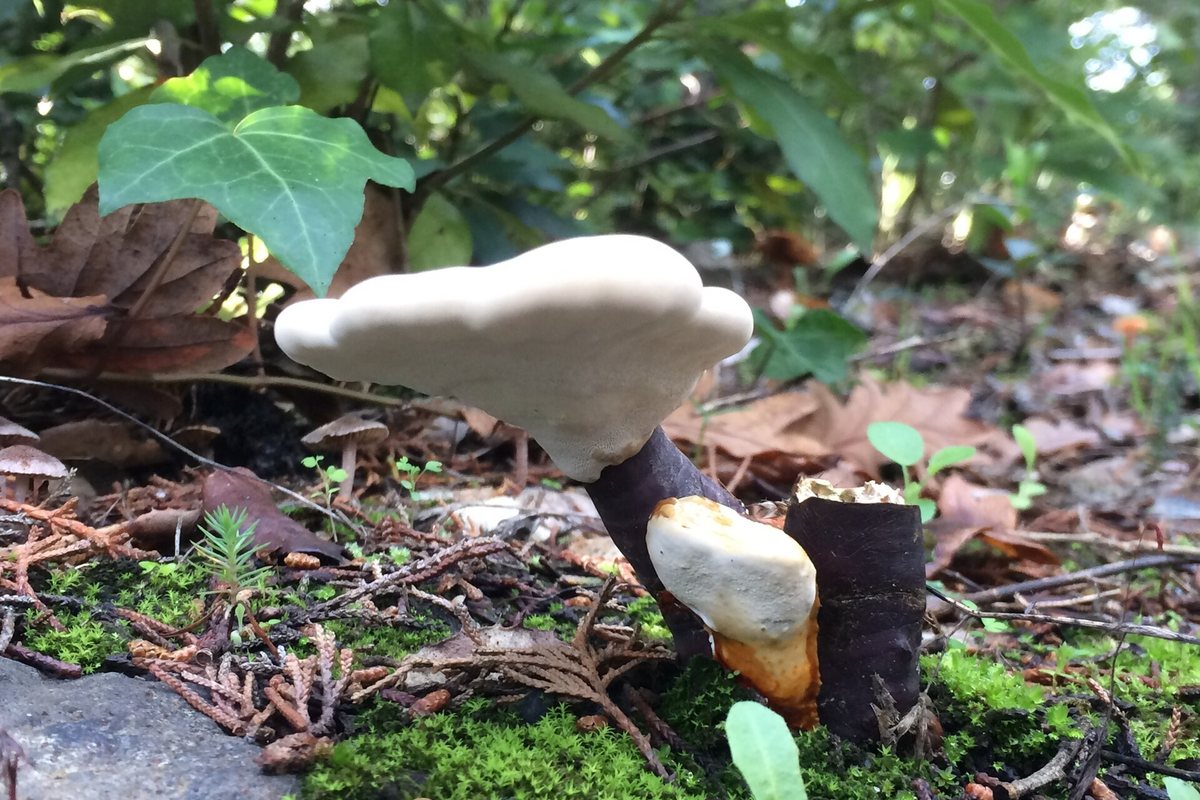
Reishi (Ganoderma lucidum), also known as ling zhi, is sometimes called “the mushroom of immortality.” It has a long place in traditional medicine across Asia, and today it’s a common functional-mushroom ingredient. But what does reishi mushroom research actually show in people? Here’s an honest look, including a new trial published in October 2026.
Memorial Sloan Kettering Cancer Center’s reishi profile, updated in May 2026, notes that it “holds an important place” in traditional medicine across China, Japan and Korea. It’s traditionally used to support energy, the immune system and general health.
Tradition tells us how a mushroom has been valued. It doesn’t tell us what it does in a modern clinical trial, which is where the research comes in.
In October 2026, researchers at Northumbria University in the U.K. published a randomised, double-blind, placebo-controlled trial in Frontiers in Nutrition. They enrolled 84 young women, aged 18 to 26, who reported feeling stressed or anxious but had no psychiatric diagnosis.
For 28 days, each group took three capsules a day. One group took lion’s mane alone (1.8 g a day). One took a blend of 60% lion’s mane and 40% reishi (also 1.8 g a day). The third took a placebo.
The main measure was the GAD-7 anxiety questionnaire. On day 28, the blend group’s average score was 4.16, compared with 6.50 for lion’s mane alone, a difference the authors found statistically significant.
There are important limits:
On safety, 50 side effects were reported by 31 participants, with no significant difference between groups. One person in the placebo group stopped because of headaches.
Older research is mixed. A 2015 Cochrane review looked at five trials with 398 participants. In people with type 2 diabetes, it found no significant improvement in long-term blood sugar (HbA1c), fasting blood sugar, cholesterol, blood pressure or triglycerides.
The reviewers concluded the evidence “does not support the use” of reishi for those risk factors. More side effects were reported with reishi than placebo, though the difference was uncertain and none were serious.
This is a good reminder that reishi mushroom research includes null results, not just promising ones.
Reishi isn’t right for everyone. Memorial Sloan Kettering lists nausea, insomnia and liver injury as reported side effects. It also says reishi can increase bleeding risk with blood thinners such as warfarin, and may not be safe with immunosuppressants.
If you’re curious about how other mushrooms compare, see our look at what lion’s mane research shows so far. For tips on reading studies like these, our article on what the microdosing evidence says explains why placebo groups matter.
What is reishi traditionally used for? Reishi is traditionally used in Asian medicine to support energy, the immune system and general health.
Does reishi help with stress? Research is early. A 2026 trial of a lion’s mane and reishi blend found lower anxiety scores than lion’s mane alone, but it didn’t clearly outperform placebo.
Can I take reishi with medication? Talk to a health professional first, especially if you take blood thinners or immunosuppressants.
This article is for general education only and isn’t medical advice. Natural health products aren’t intended to diagnose, treat, cure or prevent any disease. Check with a health professional if you’re pregnant, nursing, taking medication or managing a health condition.
Sources
Featured image: Photo: Ilya Filippov / Wikimedia Commons, CC BY 4.0