
Microdosing — taking very small, “sub-perceptual” amounts of a psychedelic such as psilocybin — has moved from niche to mainstream. This year, two big pieces of research gave us the clearest picture yet of how many people are doing it and what controlled studies actually show. They don’t tell the same story.
In January 2026, the RAND Corporation released the first nationally representative look at psychedelic microdosing in the United States. Based on a survey of 10,000 adults, RAND estimates that about 10 million U.S. adults microdosed psilocybin, LSD or MDMA in 2025. Among people who used psilocybin in the past year, roughly two-thirds said they had microdosed at least once, and nearly half of all reported psilocybin-use days involved microdosing.
That’s a striking number. But RAND measured use, not outcomes — the survey doesn’t tell us whether microdosing helped anyone.
In August 2026, researchers published a systematic review and meta-analysis in the journal CNS Drugs that pulled together 24 studies and 3,681 participants, focusing on healthy adults.
Their headline finding: in randomized, placebo-controlled studies, microdosing did not produce a statistically significant improvement in depressive symptoms, anxiety or stress compared with placebo. No clear or lasting benefits to cognition, creativity or mood were established either.
A few nuances are worth knowing:
A separate set of three double-blind creativity trials (171 participants in total) found one measure — originality — improved only when dose was adjusted for body weight. Other creativity measures didn’t change.
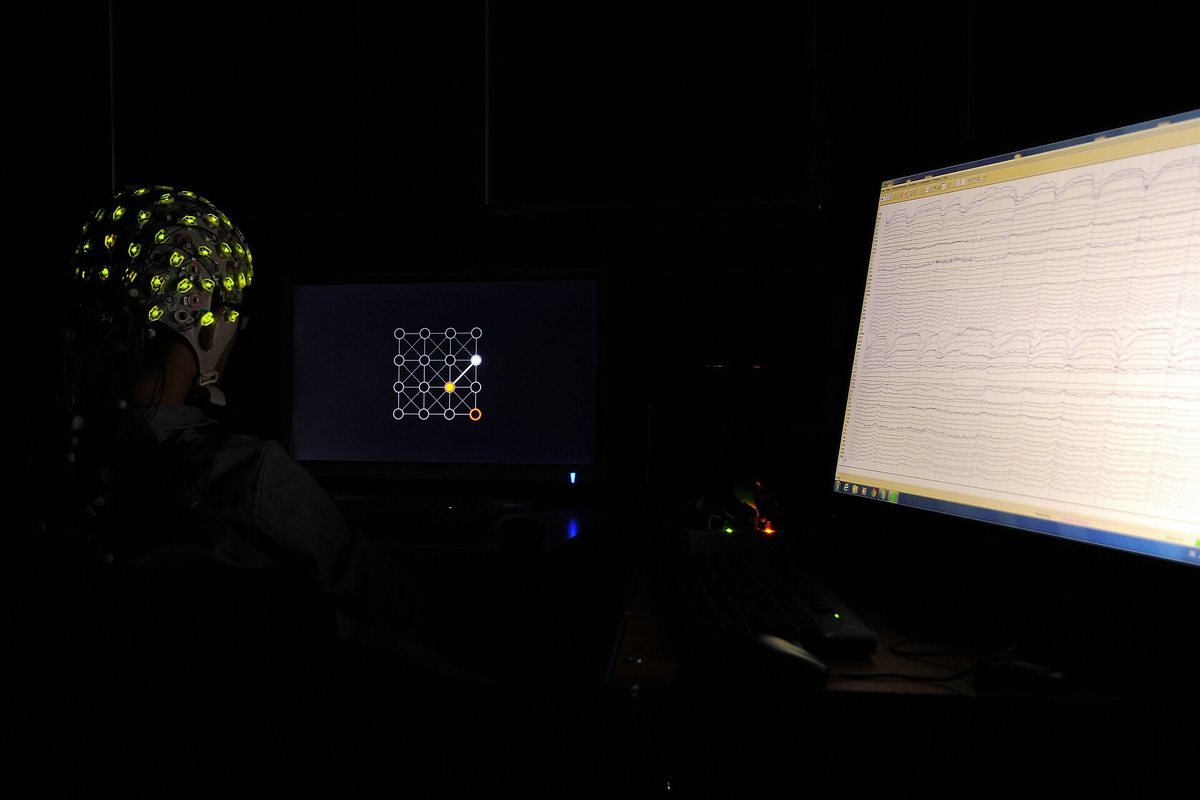
Psychedelic research has a well-known challenge: expectancy. If you believe something will help, you’re more likely to notice improvements. Microdosing is especially vulnerable to this, because the effects are meant to be subtle. Well-designed trials try to “blind” participants, but people often guess correctly whether they received the active substance.
The honest summary for 2026 is: microdosing is widespread, but the strongest studies haven’t yet shown a reliable benefit for healthy adults. The researchers behind the meta-analysis call for larger, better-designed trials — and several are under way.
We’ll keep tracking that research here and share what’s new, the good and the inconclusive alike.
What is microdosing? Taking a very small, “sub-perceptual” amount of a psychedelic, meant to avoid noticeable psychedelic effects.
Does microdosing research show it works? Not reliably yet. In the 2026 CNS Drugs meta-analysis, randomized trials in healthy adults didn’t show significant improvements over placebo for depression, anxiety or stress.
How many people microdose? RAND’s 2025 survey estimates about 10 million U.S. adults microdosed psilocybin, LSD or MDMA that year.
This article is for general education only and isn’t medical advice. Psilocybin is a controlled substance in Canada, legally accessible only through Health Canada exemptions or approved clinical trials. Talk to a qualified health professional before making changes to your health routine.
Sources
Featured image: Photo: Chris Hope / Wikimedia Commons, CC BY 2.0